
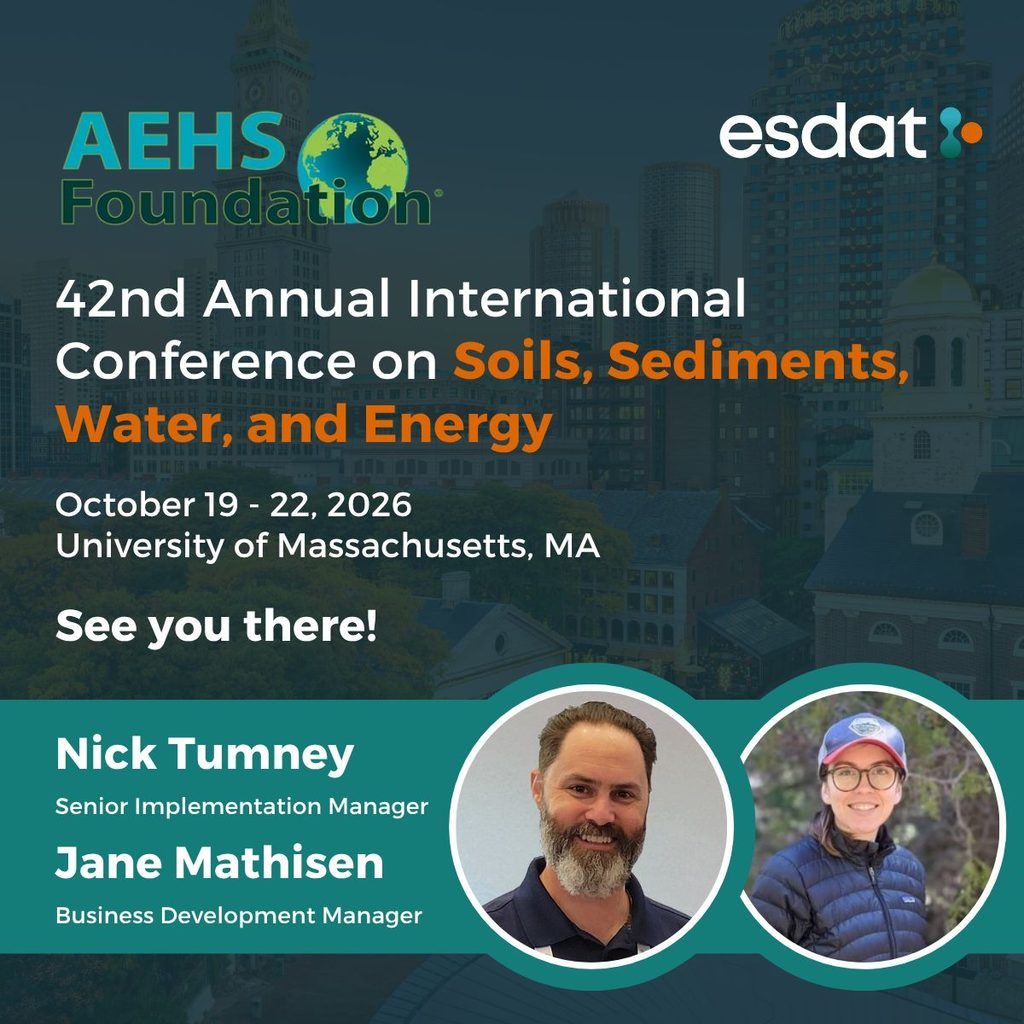
The 42nd Annual International Conference on Soils, Sediments, Water, and Energy runs October 19–22, 2026, at the University of Massachusetts Amherst. Hosted by the AEHS Foundation, the event brings together environmental professionals to exchange research and explore practical approaches to environmental assessment and remediation. Official conference information
Known as the AEHS East Coast Conference, the annual gathering typically attracts 600–800 participants, according to the organiser. Its audience includes consultants, environmental engineers, industry representatives, researchers and staff from state and federal agencies. About the conference
Key takeaways
- When and where: October 19–22, 2026, at UMass Amherst in Amherst, Massachusetts.
- Focus: Environmental assessment, remediation and the application of research to practical problems.
- Programme highlights: PFAS, sustainable remediation, environmental forensics, risk assessment and emerging uses of artificial intelligence.
- Attendance options: AEHS lists both one-day and three-day registration categories.
- Meet ESdat: Nick Tumney and Jane Mathisen will be attending.
See the conference programme and registration information for details.
What is the conference?
The conference provides a meeting point for environmental science, engineering and regulatory practice. AEHS describes its purpose as supporting the development of creative, cost-effective assessment methods and solutions that address regulatory requirements. Conference overview
The format combines workshops, technical presentations, poster sessions and exhibits with opportunities for professional networking. Workshops are scheduled for Monday, October 19, followed by technical sessions from Tuesday through Thursday. 2026 programme
Why does it matter?
Environmental professionals must often make decisions with incomplete information: where contamination originated, how it moves, which treatment approach is suitable and how to explain the remaining risks. A conference that connects research with field experience can help practitioners ask better questions and assess the strengths and limitations of available approaches.
PFAS is a substantial focus of the 2026 programme, with sessions covering site characterisation, fate and transport, treatment, and drinking water and wastewater. Other topics include remediation in bedrock, bioremediation, environmental forensics, risk assessment and communication, and state cleanup programme priorities. Technical programme
That breadth gives prospective delegates several reasons to consider attending. A consultant investigating a difficult site may prioritise technical methods, while a project manager may be more interested in evaluating treatment options or understanding how to communicate uncertainty.
The most useful approach is to identify specific project questions before choosing sessions. Look for presentations that address the contaminants, site conditions or decisions encountered in your work, and use discussions with presenters to explore how their findings might apply.
Who is it for?
The event is particularly relevant to professionals who investigate contamination, design or oversee remediation, assess environmental risks, or conduct related research. Its mix of agency, consulting, industry and academic participants also creates opportunities to compare perspectives across professional roles. Who attends
For experienced practitioners, the value may lie in examining unfamiliar approaches or discussing difficult cases with peers. For researchers, it offers a setting to connect scientific findings with practical needs.
Early-career professionals also have dedicated opportunities: the programme includes a NextGen session and NextGen Day on Tuesday, October 20. NextGen and conference schedule
What should prospective attendees consider?
Start with the programme, then check registration options against the days and workshops most relevant to your work. AEHS states that paid three-day registrations are eligible for one free workshop, redeemed using the appropriate promotional code during online registration. Check the registration form for current fees and conditions. Registration details
Professional development may be another consideration. AEHS confirms that the 2026 conference is approved to offer Massachusetts Licensed Site Professional credits. Attendees seeking credit must follow the organiser’s payment and attendance-recording requirements; recognition by other professional boards should be checked separately. Continuing education information
ESdat will be attending
Nick Tumney and Jane Mathisen from ESdat will be at the conference, joining the environmental professionals gathering at UMass Amherst.
Attendees are invited to say hello, meet the team and reconnect with colleagues during the event.
FAQs
When and where is the conference?
The 42nd Annual International Conference on Soils, Sediments, Water, and Energy takes place October 19–22, 2026, at the University of Massachusetts Amherst in Amherst, Massachusetts. Event details
Do I need to attend the whole conference?
AEHS lists one-day and three-day registration options. Review the programme alongside the registration form to select the option that matches your planned attendance. Registration information
Can I earn continuing education credits?
Massachusetts LSP credits are available, subject to the organiser’s requirements. AEHS lists a $75 CEU fee and requires attendees to record their attendance. Other professionals should confirm acceptance with their certification board before relying on attendance for credit. Credit requirements
Where can I find the full schedule?
The online conference programme lists sessions, workshops and networking activities. Times are shown in the local America/New_York time zone.
Who from ESdat will be there?
Nick Tumney and Jane Mathisen will represent ESdat and welcome the opportunity to meet fellow attendees.